
Table of Contents
In today’s fast-evolving digital landscape, the hospitality industry is rapidly adapting to new technologies to meet guest expectations and streamline operations. Hospitality tech trends play a crucial role in providing seamless, efficient, and personalized experiences for guests while enhancing operational efficiency for businesses.
From automation to AI-driven personalization, let’s dive into what hospitality technology is, why it’s essential, and how to stay current with the latest hospitality tech trends transforming the industry.
What is Hospitality Technology?

Hospitality technology refers to the tools, software, and systems used by the hospitality industry—hotels, restaurants, travel agencies, and more—to improve service, boost customer satisfaction, and streamline operations. This encompasses everything from basic property management systems (PMS) to advanced AI-driven chatbots and mobile apps designed for contactless guest interactions. The core of hospitality tech trends is to enhance the guest experience by making processes faster, more personalized, and more efficient.
Why is Hospitality Technology Essential?
Hospitality technology is essential because it helps businesses meet and exceed guest expectations, a critical factor for retaining loyal customers. With the rise of digital-savvy travelers, guests expect more personalized and tech-driven experiences. Meeting these expectations is no longer optional; it’s a necessity. Incorporating the latest hospitality tech trends can drastically reduce operational costs, improve staff efficiency, and provide valuable insights into guest behavior and preferences.
One area that has become increasingly important is hotel competitive intelligence. While hotels have always tracked competitor pricing, modern technology now makes it possible to gather real-time data and respond instantly. With tools like the Makcorps Hotel Price API, hotels can monitor competitor rates across multiple sources, enabling them to optimize their pricing strategies, maximize revenue, and deliver better value to guests.
Moreover, with data-driven tools, businesses can better understand their customers, allowing them to deliver tailored services that enhance guest satisfaction and encourage repeat visits. As more customers prioritize convenience and personalization, keeping up with hospitality tech trends allows businesses to remain competitive and relevant in a digital-first market.
How to Stay Up-to-Date With the Latest Hospitality Technology Trends?
- Follow Industry Publications and Blogs: Staying informed about hospitality tech trends is much easier when you regularly follow industry publications, tech blogs, and forums. Websites like HospitalityNet, Skift, and PhocusWire provide updates on the latest technology advancements, trends, and insights in the hospitality space.
- Attend Conferences and Trade Shows: Hospitality conferences and trade shows are invaluable for exploring hospitality tech trends and networking with professionals. Events like HITEC (Hospitality Industry Technology Exposition & Conference) showcase new products and solutions, offering hands-on exposure to the latest innovations.
- Engage in Professional Networks and Communities: Joining online communities and professional networks, like LinkedIn groups, allows you to discuss hospitality tech trends with industry peers. These platforms are excellent resources for sharing experiences and learning about emerging trends from others in the field.
- Partner with Tech Vendors: Collaborating with technology vendors and solution providers can help you gain insights into hospitality tech trends that could benefit your business. Many vendors offer demos, webinars, and case studies to showcase how their solutions are impacting the industry.
- Encourage Continuous Learning: Encourage your team to take courses, attend workshops, and pursue certifications related to hospitality tech trends. Platforms like Coursera, edX, and LinkedIn Learning offer courses that can keep your staff up to speed on the latest technological advancements in the hospitality industry.
Top 8 Game-Changing Hospitality Tech Trends Boosting Success
Now that we’ve covered the importance of hospitality technology and ways to stay updated, let’s explore the top hospitality tech trends reshaping the industry in 2024.
1. AI-Powered Guest Personalization
Artificial Intelligence has moved well beyond simple recommendations, now analyzing guest history, preferences, and behavior to shape nearly every touchpoint of a stay before the guest even arrives. This shift is central to boosting satisfaction and building repeat loyalty in a market where personalization is now expected, not a bonus.
- Predictive analytics anticipate guest needs before check-in, from room type to preferred amenities
- Personalized offers and upsells are generated from booking history and on-site behavior
- Guest review sentiment feeds directly into service and staffing adjustments
2. AI Front Desk & Chat Automation
AI agents are increasingly handling guest requests directly rather than simply answering pre-set FAQs, taking real workload off front-desk staff. This trend reflects a broader move from “AI as an experiment” to AI as a dependable operational tool that saves time and cuts costs.
- Chatbots and AI agents resolve routine requests without staff involvement
- 24/7 multilingual guest messaging removes time-zone and language friction
- Complex or sensitive requests are automatically routed to a human staff member
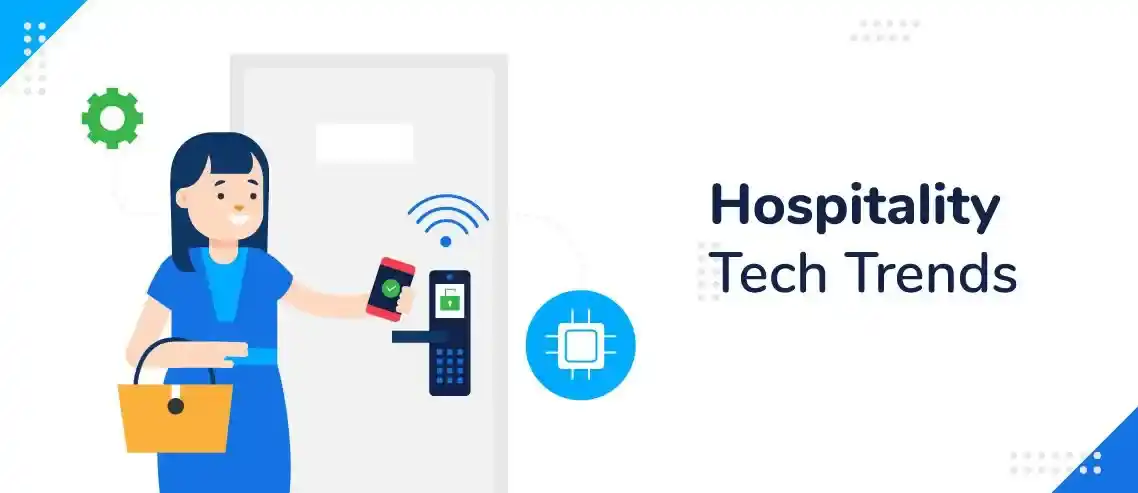
3. Mobile-First Contactless Journeys
What started as basic contactless check-in has evolved into a full mobile-first guest journey, where check-in, room access, requests, and payment all happen inside one app. Contactless itself is now the baseline expectation, and hotels are differentiating through how seamless that entire digital journey feels.
- End-to-end mobile check-in and checkout replace the front-desk queue
- Contactless payment is built into the same flow, not a separate step
- Facial recognition is emerging as a faster, more secure check-in option
4. Cloud-Native PMS & Open Integrations
Cloud-based property management systems have officially overtaken legacy, on-premise infrastructure, giving hotels the flexibility to manage operations from anywhere and integrate with other tools far more easily. This shift underpins nearly every other trend on this list, since personalization, automation, and revenue tools all depend on clean, connected data.
- Legacy on-premises PMS is being phased out in favor of cloud platforms
- Open APIs let PMS connect directly with CRM, messaging, and revenue tools
- Multi-property management becomes far simpler for both chains and independents
5. Smart Room Automation (IoT)
IoT-enabled rooms are now standard in mid-to-upscale properties, letting guests control their environment while also helping hotels cut energy costs. The technology has matured from a novelty feature into a practical tool for both guest comfort and operational efficiency.
- Voice control and touch panels manage lighting, temperature, and entertainment
- Motion and occupancy sensors reduce energy use when rooms are vacant
- Room presets can be tied to individual guest profiles for repeat stays
6. Cybersecurity & Data Protection
As hotels connect more systems PMS, IoT devices, guest apps to the cloud, protecting guest data has become a standalone priority rather than an afterthought bolted onto other tech decisions. This trend matters because a single weak link across all these connected systems can expose sensitive guest information.
- Encrypted cloud storage and strict access controls are now baseline requirements
- Vendor security practices are vetted before any new tool is adopted
- Connected IoT devices are treated as potential entry points, not just conveniences
7. Dynamic, AI-Driven Revenue Management
AI-based revenue tools now handle demand forecasting and pricing adjustments in real time, a distinct trend from guest-facing personalization but equally dependent on good data. This gives hotels a competitive edge in fast-moving markets where manual rate-setting can’t keep pace.
- AI models forecast demand and adjust pricing automatically
- Competitive rate tracking runs continuously across booking channels
- Revenue tools operate separately from, but alongside, guest personalization systems
8. Sustainability Through Smart Technology
Smart systems are giving hotels real-time visibility into their energy and water use, turning sustainability from a marketing claim into a measurable operational practice. This resonates with a growing share of travelers who factor environmental practices into where they book.
- Real-time monitoring tracks energy and water consumption across the property
- Smart HVAC and lighting systems reduce waste automatically, not just on request
- Sustainability credentials are increasingly used as a booking differentiator
- Hotels are also cutting costs with modern international payment methods for cross-border vendor payments
Conclusion
Adopting the latest hospitality tech trends can elevate guest experiences, streamline operations, and improve overall profitability. Staying informed about hospitality tech trends requires a proactive approach—whether by following industry publications, attending events, or engaging with professional networks.
As the industry continues to evolve, embracing these hospitality tech trends is essential for staying competitive, enhancing customer satisfaction, and ensuring long-term success.
FAQs
Do small or independent hotels actually need this kind of tech, or is it just for big chains?
Most modern hospitality tools are cloud-based and subscription-priced, so independent properties can adopt the same core systems as large chains without major upfront infrastructure costs.
Will AI and automation replace hotel staff?
Not entirely; AI is mainly used to handle repetitive tasks like check-in and FAQs, freeing staff to focus on the personal service guests still expect.
What’s the easiest hospitality tech trend for a hotel just starting to modernize?
Contactless check-in and a guest messaging app are the most common starting points since they deliver an immediate convenience upgrade without a full systems overhaul.
Is contactless check-in still worth investing in, or has it become standard already?
It’s now closer to a baseline expectation than a differentiator, which is why hotels are shifting focus toward mobile-first guest journeys and AI-driven front-desk automation instead.
How important is cybersecurity specifically for hotels compared to other industries?
It’s become a bigger standalone concern in hospitality because guest payment data, IoT devices, and cloud systems all create separate points of vulnerability.
What’s replacing legacy property management systems (PMS)?
Cloud-native PMS platforms with open APIs are increasingly seen as having overtaken legacy, on-premises systems for hotels managing multiple properties.