
Table of Contents
What is HR Performance?
HR Performance is the efficacy of the Human Resources department in organizing activities such as hiring, employee development, performance management, etc. HR Performance pronounces the extent of alignment of HR functions with organizational goals in the improvement of employee satisfaction, retention, and productivity. Therefore, HR productive metrics include turnover rates, recruitment efficiency, and employee engagement, among others.
What is Visual Planning?
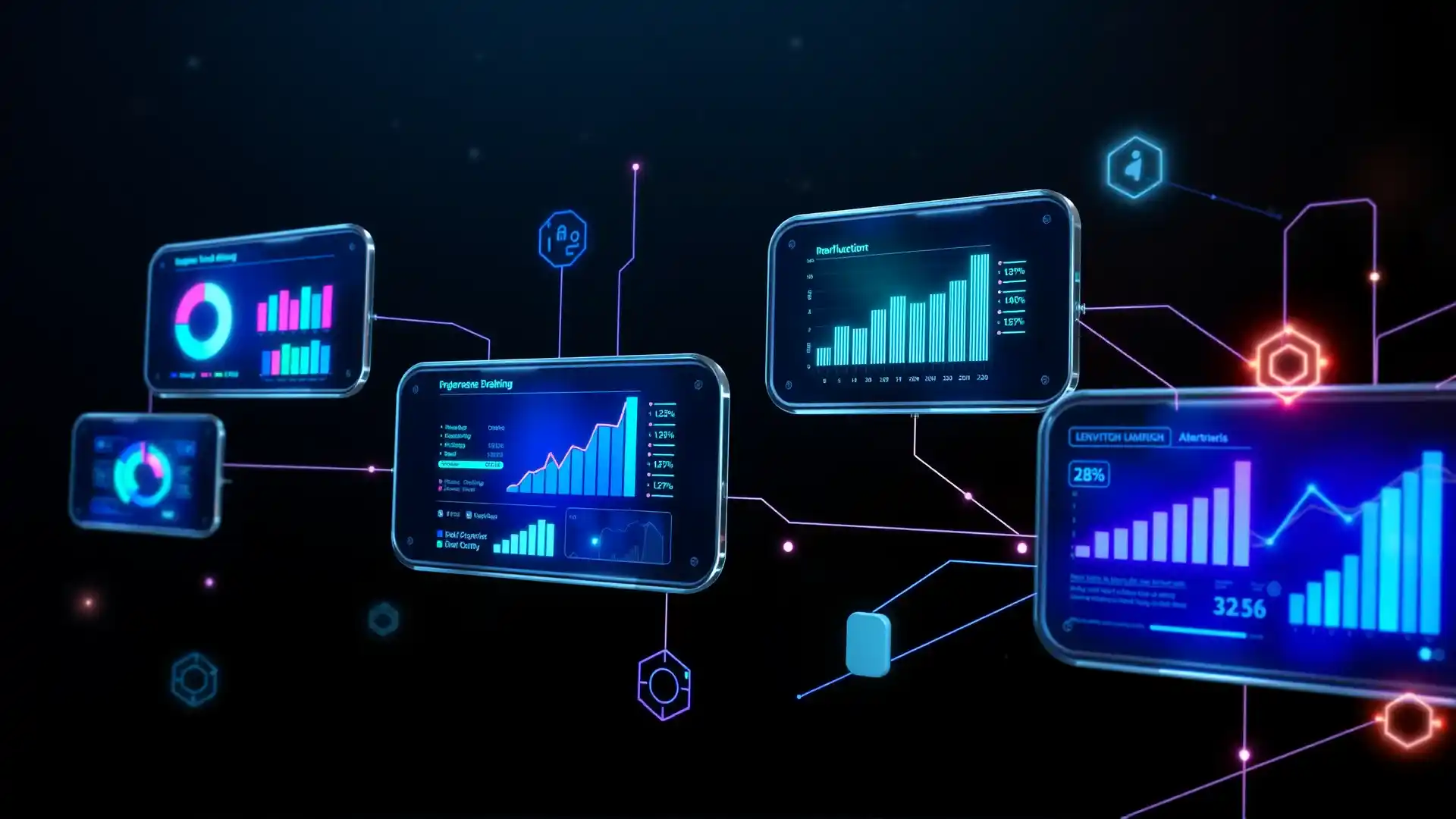
Visual planning refers to visual tools like charts, graphs, timelines, and dashboards which are used in managing and monitoring HR-related tasks, strategies, and data. This helps HR teams better optimize and manage their performance by clearer insights and simplification of complex HR data.

Understanding HR Performance
1. Key Metrics:
Below are the essential metrics for evaluating HR performance, such as:
- Employee Productivity: Measuring how effectively employees are performing their tasks.
- Retention & Turnover: Understanding employee retention rates and reasons for turnover.
- Employee Engagement & Satisfaction: Gauging how motivated and satisfied employees are within their roles.
- Learning & Development: Monitoring employee growth and training progress.
2. Challenges in Measuring HR Performance:
This explains the difficulties HR teams face when tracking performance, such as managing large data sets and the limitations of traditional reporting tools that don’t provide real-time insights.
How Visual Planning Enhances HR Performance
- Visualizing HR Data: This explains the difficulties that HR teams have to face while following performance tracking, such as being closely tied to data sets and traditional reporting tools that hardly give real-time insights.
- Real-time Tracking: Visualization tools like graphs, pie charts, and dashboards simplify intricate patterns of their use in human resources. It has made it easy for HR professionals to discover trends, patterns, and gaps that need attention.
- Aligning HR Goals with Business Objectives: This can also help HR departments to be sure of what the organizational strategies entail for the realization of their intended goals. Visualizing this relationship makes it easy to utilize available resources accordingly to ensure adjustments for better outcomes.
Tools and Techniques for Visual Planning in HR
1. Types of Visual Planning Tools: This section covers the various types of tools used in HR, including:
- Gantt Charts: For managing and visualizing HR project timelines.
- Kanban Boards: To organize tasks and track progress visually.
- Interactive Dashboards: For real-time monitoring of key HR metrics like employee satisfaction and performance.
- HR-specific Software: Tools like People Analytics and HRIS (Human Resource Information Systems) that provide deeper insights and streamline HR operations.
2. Benefits of These Tools: Such as how each tool aids HR teams in a clear and understanding way from visualizing key metrics and processes to performance improvement.
3. Integrating Visual Planning into HR Processes: HR teams can adopt that visual plan into their process; thus, it increases success of maximizing efficiency as adopting with that existing process.

How to Implement Visual Planning in HR
- Choose the Right Visual Planning Tools: One might either go for Gantt charts, Kanban boards, or flowcharts depending on an HR function like recruitment, training, or performance management.
- Establish Clear HR Objectives and KPIs: Establish clear HR goals, such as decreasing turnover and increasing training, and define measurable KPIs to measure these through visual tools.
- Train HR Teams to Use Visual Planning Tools Effectively: Train the HR staff to be proficient with visual tools, through workshops, resources, and ongoing support for successful adoption.
Future Trends in HR Performance and Visual Planning
- Emerging Technologies: This section examines the influence of technologies such as AI, machine learning, and predictive analytics on HR performance. The technologies mentioned above can further empower visual planning with predictive insights and better HR decision-making.
- The Future of Visual Planning in HR: Technologies will evolve, and related visual planning tools will advance. Even more powerful ways to manage HR performance and align HR strategies with company objectives will be possible.
Conclusion
This part concludes with a repetition of the most important benefits of visual planning in HR-its simplicity, improvement of decision-making, and the optimization of performance in the HR sphere.
The bottom line is to encourage organizations to embrace visual planning tools in order to improve their HR operations and get the best out of their workforce.