
Table of Contents
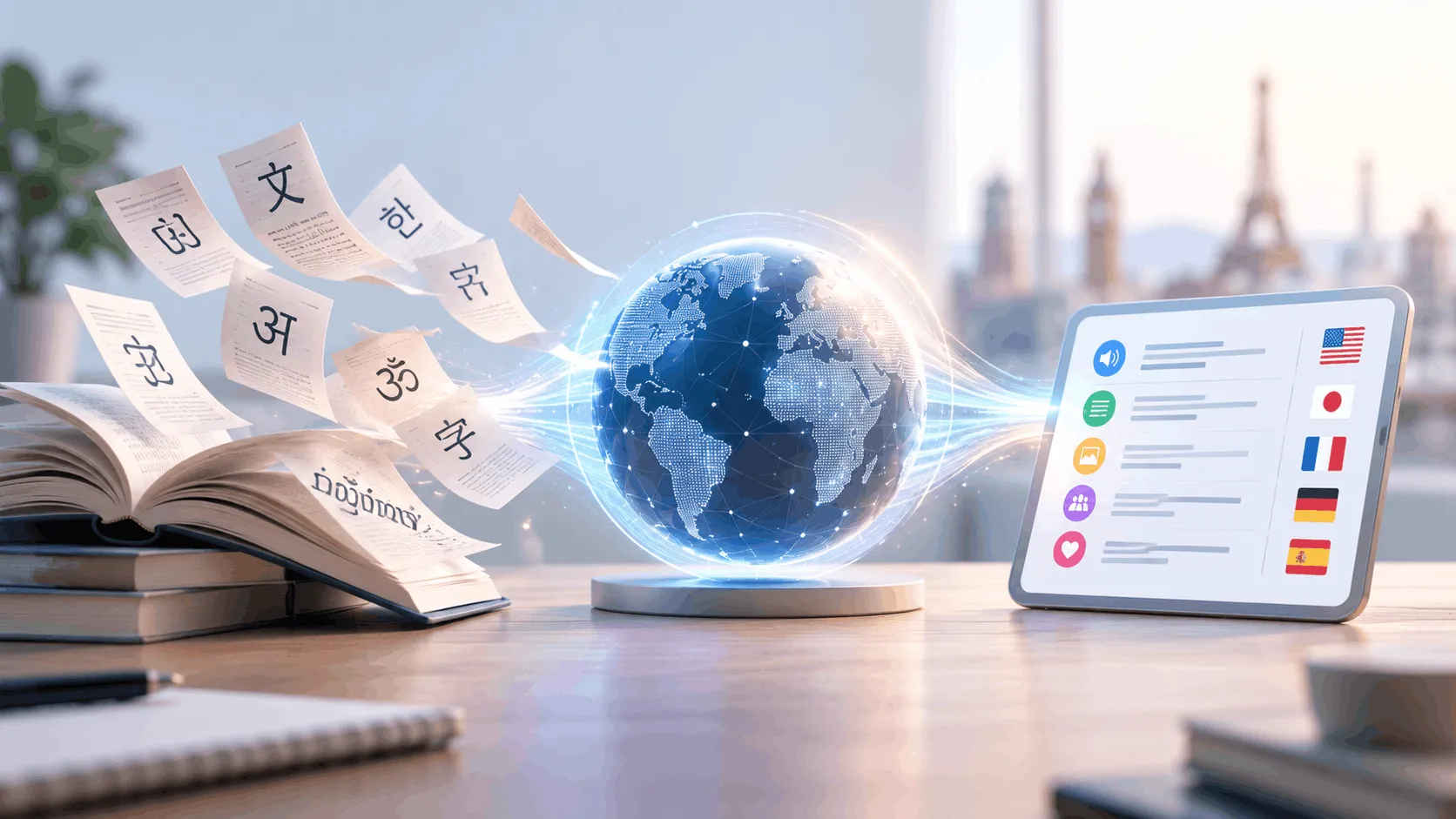
In a world woven together by diverse languages, the promise of seamless communication often falters in the face of translation challenges. Enter the transformative realm of AI translators, where precision meets unprecedented accuracy.
This article, “Lost Words Found,” explores how artificial intelligence revolutionizes AI in language services, from decoding idiomatic expressions to preserving cultural nuances, breaking down linguistic barriers along the way.
Join us on a journey where the intricacies of language are not lost but found, redefined by the remarkable capabilities of AI language services in shaping a global landscape of precise and contextually rich translations.
The Evolution of AI in Language Services
AI’s Journey: From Syntax to Synthesis
The evolution of AI in language services is a captivating journey marked by significant milestones.
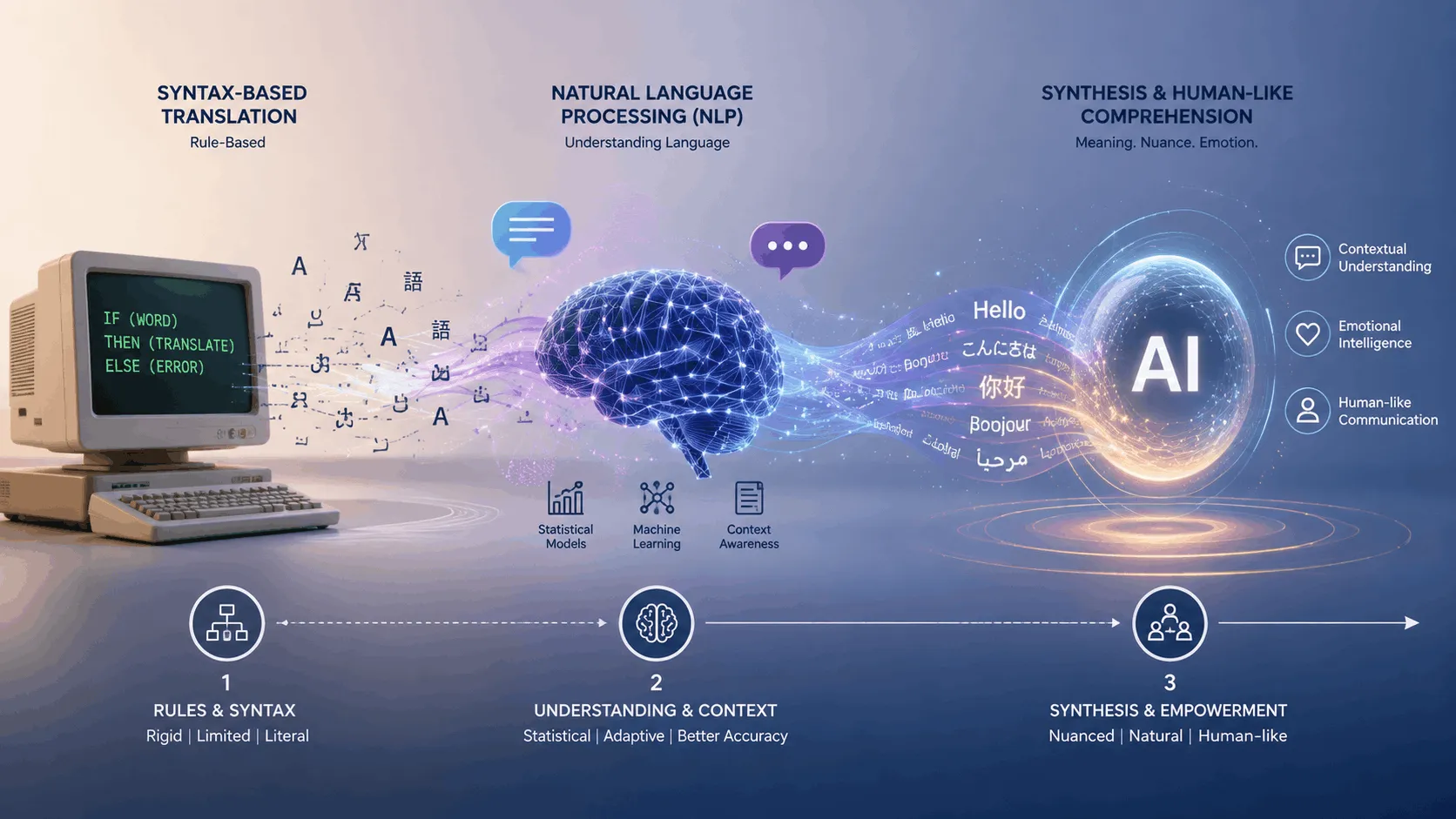
In its initial phases, AI relied on syntax-based translations, characterized by rigid structures that often produced awkward and inaccurate outcomes.
The turning point emerged with advancements in Natural Language Processing (NLP), propelling AI beyond syntax to embrace the realm of synthesis. This transition signifies a monumental leap in linguistic understanding, as NLP algorithms now capture and interpret nuanced expressions with unparalleled accuracy.
The shift from mere syntax recognition to sophisticated synthesis reflects AI’s maturation, aligning its capabilities more closely with human language comprehension. This evolution heralds a new era where AI translators not only translate words but comprehend and recreate the subtleties of language, ensuring a level of accuracy that was once deemed unattainable.
Understanding the AI Translator Landscape
AI translators, propelled by the prowess of machine learning algorithms, represent a groundbreaking leap in the evolution of AI in language services.
Their primary function extends beyond the mere substitution of words, delving into a profound understanding of context, nuances, and cultural intricacies embedded within human languages.
This widely utilized AI translation tool employs neural machine translation, a cutting-edge technology that systematically analyzes extensive multilingual datasets. Through this intricate process, Google Translate significantly enhances its comprehension of context, thereby delivering translations that are not only accurate but also contextually relevant.
In essence, it contributes significantly to dismantling the traditional language barriers that have hindered effective global communication.
Precision Unleashed: How AI Translators Work
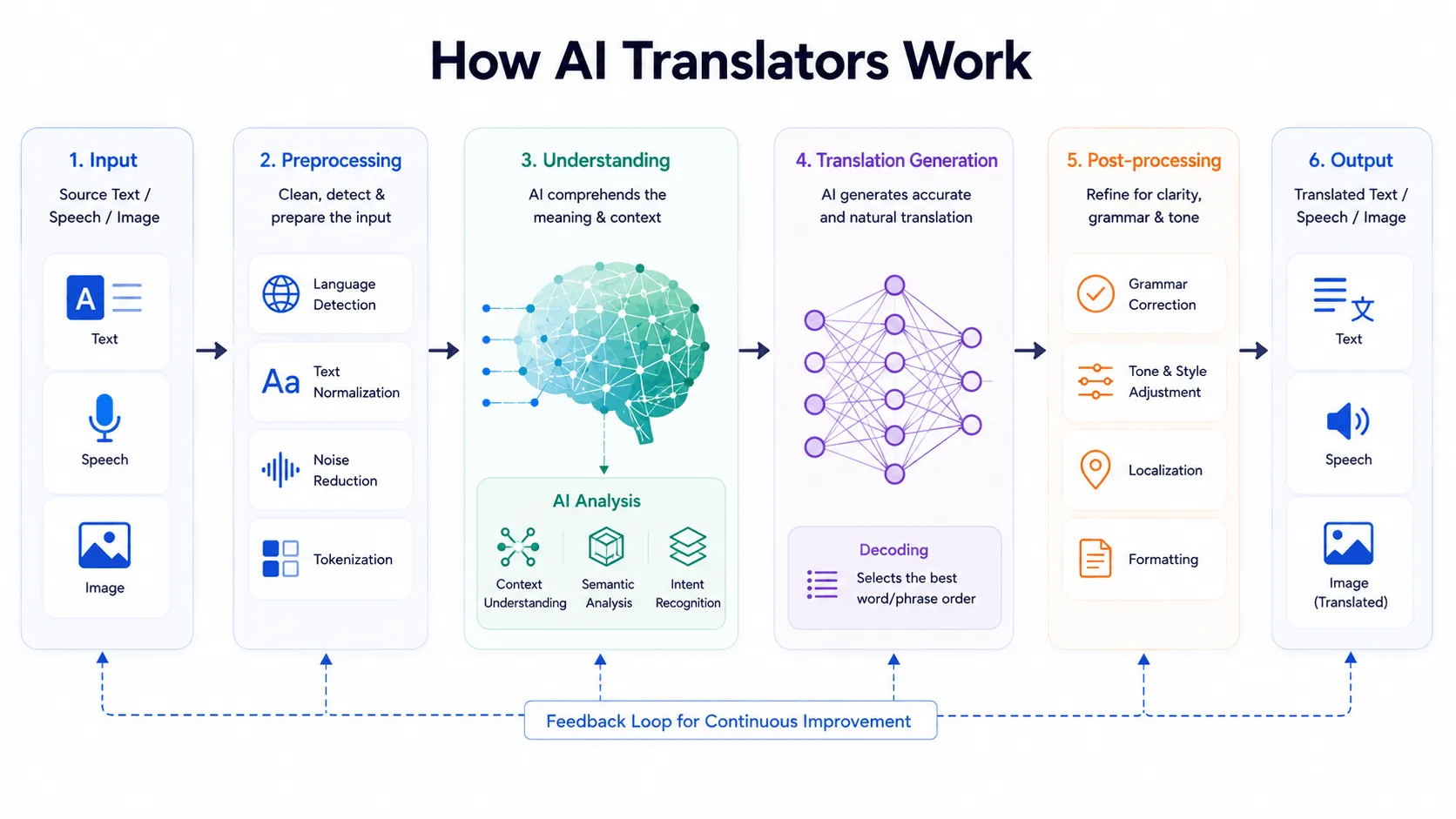
The mechanics of AI translators involve the sophisticated utilization of complex algorithms.
These algorithms, designed to decipher the grammatical structure, semantics, and context of a given text, undergo continuous enhancement through learning from vast datasets. This iterative learning process equips AI translators with the ability to adapt to various language styles, dialects, and the dynamic landscape of evolving linguistic trends.
DeepL, another noteworthy player in the realm of AI in language services, offers a compelling case study. Harnessing the power of deep neural networks, DeepL excels in grasping the intricate relationships between words and phrases. This heightened understanding allows DeepL to generate translations that transcend mere grammatical correctness, preserving the intended meaning and tone of the original text. The outcome is translations that resonate with a natural, human-like fluency.
The Promise of Unparalleled Accuracy
AI in language services promises unparalleled accuracy by addressing some of the longstanding challenges faced by traditional translation methods:
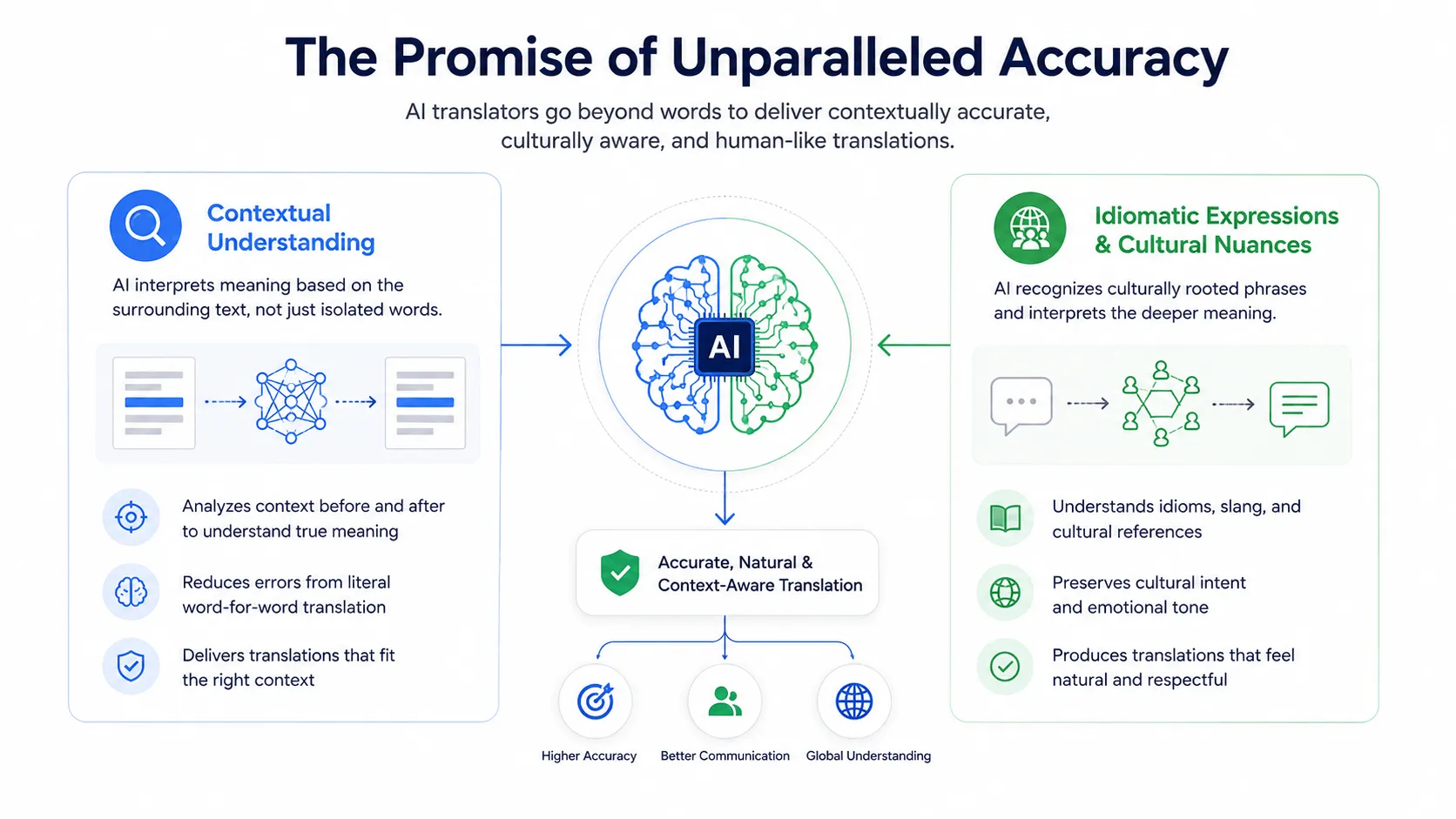
- Contextual understanding: interpreting meaning based on surrounding text, not just isolated words
- Idiomatic expressions and cultural nuances: recognizing culturally rooted phrases rather than translating them literally
Contextual Understanding
Central to the enhanced precision offered by AI translators is their exceptional contextual understanding. Unlike earlier machine translation models that often provided literal interpretations lacking depth, AI translators delve into the broader meaning of a sentence.
They meticulously consider the linguistic context by analyzing the words preceding and following a given phrase, thereby ensuring translations are not just linguistically correct but also contextually accurate.
A striking illustration of this contextual prowess is found in Microsoft Translator. Leveraging sophisticated deep neural networks, this AI-driven solution has demonstrated a remarkable ability to interpret the intended meaning within a broader context. By doing so, it significantly mitigates the probability of translation errors that might arise from a lack of contextual awareness.
Idiomatic Expressions and Cultural Nuances
Another facet where AI translators shine is in capturing idiomatic expressions and cultural nuances, areas notorious for their complexity in the world of translation. These linguistic subtleties, deeply rooted in the cultural fabric of a language, pose a challenge for conventional translation methods.
However, AI translators are meticulously designed to recognize and interpret such nuances, ensuring that the translated content not only conveys the literal meaning but also preserves the cultural intricacies embedded in the original message.
An illustrative embodiment of this capability can be witnessed in the IBM Watson Language Translator. Equipped with advanced natural language processing capabilities, IBM Watson goes beyond the surface-level interpretation of words. It dives into the layers of idiomatic expressions and cultural references, comprehending the contextual significance.
This meticulous approach ensures that translations generated by AI do not merely reproduce words but encapsulate the essence of the original message, respecting and preserving the cultural nuances inherent in the source text.
AI in Action
Healthcare Translation
In the intricate landscape of healthcare, the need for accurate and timely translation of medical documents cannot be overstated. Traditional translation methods, often reliant on manual processes, may introduce errors that carry serious consequences for patient care and collaboration among global healthcare professionals. This is where the prowess of AI translators shines. With their advanced language processing capabilities, AI translators excel in ensuring the precise translation of intricate medical texts.
TransPerfect Medical Solutions serves as a prime example of harnessing AI-driven translation services in the healthcare sector. By leveraging these advanced language technologies, TransPerfect enhances the accuracy of medical document translations. The nuanced understanding of medical terminology and context provided by AI translators contributes to the delivery of precise and contextually relevant translations, ultimately improving global healthcare communication.
E-commerce Localization
In the fast-paced world of e-commerce, expanding into international markets demands effective localization strategies. From product information to marketing content and customer support, businesses must convey their messages accurately to resonate with diverse audiences. Here, AI translators play a pivotal role in ensuring that translations go beyond mere linguistic accuracy. They contribute to the creation of a seamless and culturally attuned experience for customers worldwide, fostering increased engagement and driving sales.
Shopify, a global e-commerce giant, integrates AI-powered language Services translation apps into its platform. These apps are designed to automatically translate various elements of online stores, including product descriptions and customer reviews. By doing so, they enable businesses to effortlessly localize their content, ensuring that the e-commerce experience remains consistent and relevant for customers across different linguistic and cultural backgrounds. The result is a more inclusive and accessible global marketplace where language is no longer a barrier to understanding and engaging with products and services.
Challenges and Ethical Considerations
While AI translators represent a leap forward in AI in language services, they grapple with several key challenges:
| Challenge | What It Means | Why It Matters |
|---|---|---|
| Bias in training data | Models learn from datasets that can carry existing stereotypes, including gender bias in translations like Google Translate. | Biased output can quietly reinforce harmful stereotypes, especially with sensitive or culturally loaded language. |
| Preserving cultural sensitivity | An expression acceptable in one culture can be offensive in another; AI must balance accuracy with cultural appropriateness. | Getting this wrong can damage trust and brand reputation, as seen in efforts like Airbnb’s Multicultural Toolkit. |
| Accuracy on complex or specialized content | Legal, medical, and technical texts carry precise terminology where one mistranslated term can change the meaning. | A single error in these domains can have serious legal, medical, or financial consequences. |
| Data privacy and security | Text sent to AI translation tools is often processed on third-party servers. | Sensitive contracts, records, or internal communications need clear data handling guarantees before use. |
| Uneven language coverage | Widely spoken languages get strong results; lower-resource languages and dialects lag behind. | Global organizations can’t assume equal translation quality across every market they serve. |
| Over-reliance on automation | Faster, more convincing AI output tempts teams to skip human review entirely. | Most real-world translation failures come from skipping safeguards, not from the technology itself. |
The Future of AI in Language Services
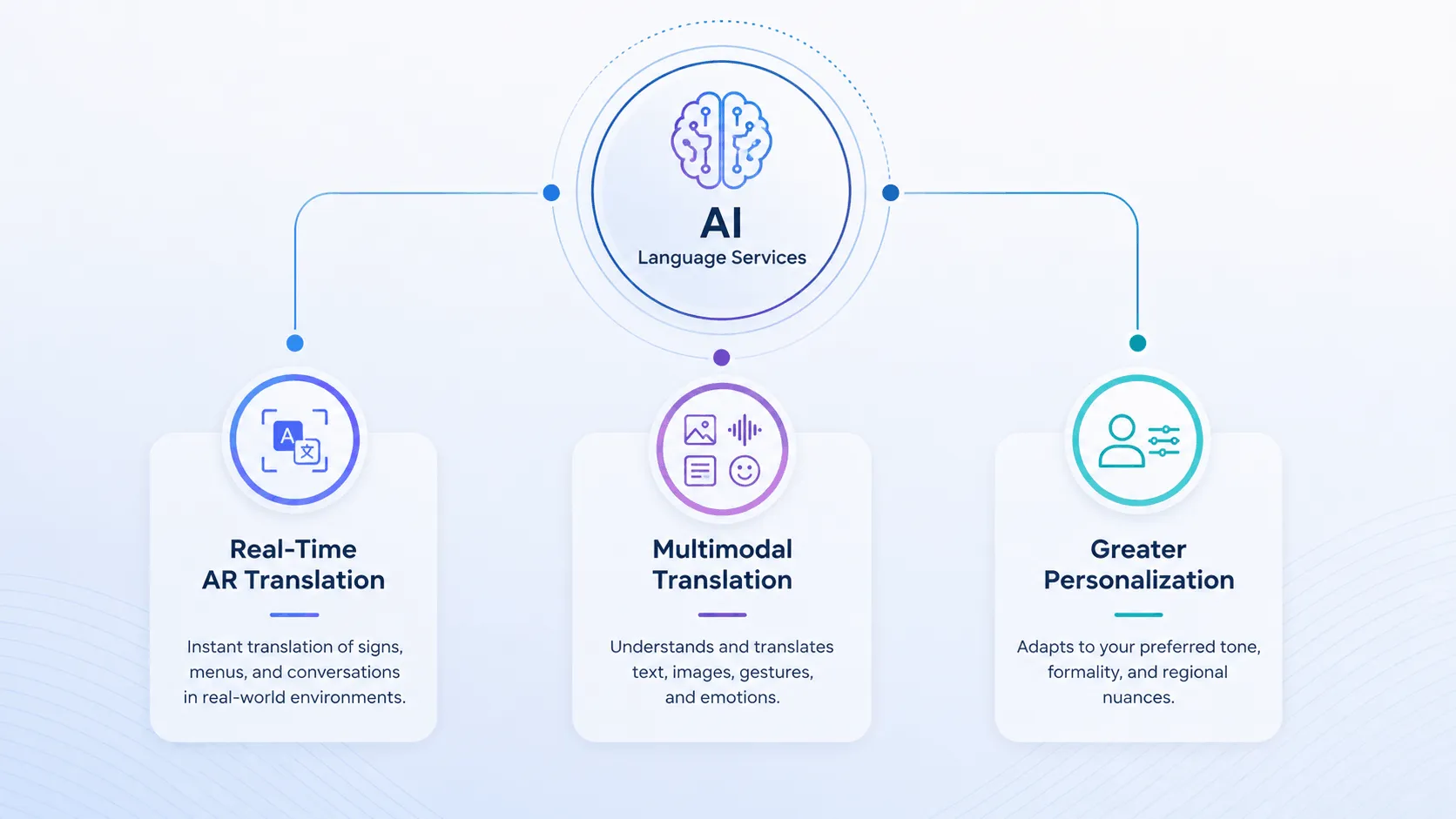
In the foreseeable future, the trajectory of AI in language services promises groundbreaking advancements that seamlessly blend technology with everyday experiences. Three shifts stand out:
- Real-time, AR-integrated translation for travel and in-person interaction
- Multimodal translation that goes beyond text alone
- Deeper personalization of tone, formality, and regional nuance
Real-Time, Augmented Reality Translation
Imagine strolling through a foreign city, where AI translators, intricately linked with augmented reality, effortlessly interpret signs, menus, and conversations in real time. This integration not only facilitates travel but also transforms cross-cultural interactions, fostering a deeper understanding between individuals.
Multimodal Translation
AI’s evolution extends beyond mere words, envisioning a realm of enhanced multimodal translation. Future AI translators may transcend traditional text, incorporating images, gestures, and emotions into their understanding. This leap into multimodal capabilities holds the potential to deliver translations that are not only linguistically accurate but also emotionally resonant, offering a more immersive and contextually rich communication experience.
Greater Personalization
Looking ahead, AI translators are poised to become highly customizable, allowing users to tailor linguistic preferences, formality levels, and regional nuances. This heightened level of personalization ensures that AI in language services caters to individual preferences, elevating user satisfaction and engagement.
As we embark on this transformative journey, the future of AI in language services appears poised to redefine how we connect and communicate on a global scale.
Conclusion
The progression from the obscurity of “Lost Words” to their resurfacing through the intervention of AI translators underscores the profound impact of technology on language services. Embracing the commitment to unparalleled accuracy, it becomes imperative to exercise ongoing vigilance regarding the ethical nuances and challenges accompanying these technological strides.
The collaboration between human intellect and artificial intelligence is an ongoing dynamic, actively molding a future where language ceases to be a divisive obstacle but rather evolves into a unifying bridge among global communities. In the realm of AI in language services, the rediscovery of lost words signifies a paradigm shift—a world where communication transcends barriers, fostering a shared understanding and precision that was previously unimaginable. The journey continues as AI in language services transforms not just the way we communicate but the very essence of how language connects us on a global scale.
FAQs
How accurate is AI translation compared to a human translator?
AI translation is strong for everyday, high-volume content but still trails human translators on nuance, idioms, and anything requiring cultural judgment; most sources agree it’s best treated as a fast first draft, not a final product.
Can I trust AI translation for legal or official documents?
Not on its own. Legal terminology is precise enough that even small AI errors can change meaning, so a qualified human reviewer is still considered essential for anything binding.
Is it safe to paste sensitive documents into free AI translation tools?
Free tools often don’t guarantee data privacy or non-retention, so sensitive contracts, medical records, or confidential business content are safer routed through paid tiers with explicit no-retention policies.
Will AI eventually replace human translators completely?
Most discussions land on “augmentation, not replacement”: AI handles volume and speed, while human translators remain necessary for literary, legal, and culturally nuanced work.
Why does AI translation sometimes miss idioms or sound unnatural?
AI models often default to the most statistically likely phrasing rather than the most natural one, which is exactly where idioms and culturally specific expressions tend to break down.
What is machine translation post-editing (MTPE)?
MTPE is the standard workflow where AI produces a draft translation and a human editor refines it, increasingly seen as the baseline for any professional or public-facing use.