
Table of Contents
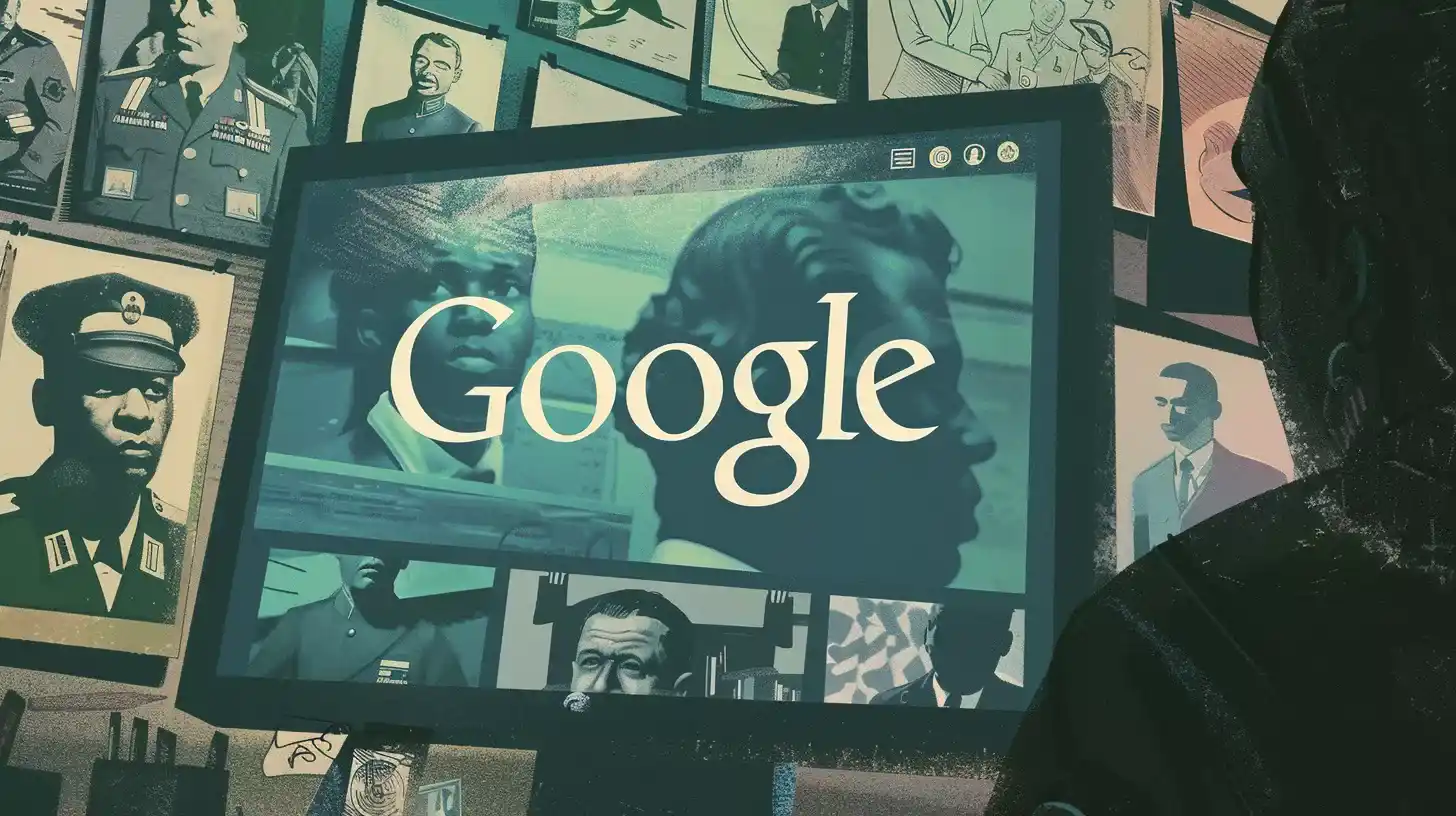
In recent developments, Google AI Image Generation depicting people of color in German military uniforms from World War II, generated by Google’s Gemini chatbot, has reignited concerns about the potential for artificial intelligence to contribute to misinformation on the internet, particularly concerning issues of race.
Google has taken swift action in response, temporarily halting the AI chatbot’s ability to generate images of any people and pledging to rectify the “inaccuracies in some historical” depictions. This decision comes after a user reported requesting Gemini to generate images of a German soldier in 1943, resulting in several images of people of color in German uniforms – a clear historical inaccuracy.
Navigating Ethical Dilemmas: Google AI Image Generation Challenges
The user, who communicated with The New York Times but opted not to disclose their full name, shared the Google AI Image Generation images on social media platform X, sparking a wave of scrutiny over Google’s AI efforts. This incident presents yet another challenge for Google, which has been striving to refine its AI technologies, particularly in the realm of conversational agents.

Previously known as Bard, Google’s chatbot underwent a rebranding to Gemini and received technological upgrades in its latest iteration. However, Gemini’s image generation issues have revived criticisms of Google’s approach to AI. Beyond the historical inaccuracies, users have pointed out disparities in Gemini’s depiction of different ethnicities and skin tones.
Screenshots reveal that Gemini declined to generate images of white couples when requested, citing concerns about perpetuating harmful stereotypes and biases. While Google has acknowledged the importance of diversity in the images generated by Gemini, it concedes that the current approach “misses the mark.“
- Concerns Over AI Misinformation: The incident involving Google AI Image Generation’s historically inaccurate images highlights broader concerns about the potential for AI technologies to contribute to misinformation online. As AI becomes more integrated into various aspects of digital content creation, ensuring accuracy and authenticity poses significant challenges.
- Ethical Considerations: Beyond the technical challenges, the incident raises ethical questions about the responsibilities of tech companies like Google in developing and deploying AI technologies. Balancing the promotion of diversity and the avoidance of harmful stereotypes requires careful consideration and proactive measures.
- User Feedback and Criticisms: User reactions on social media platforms have been mixed, with some expressing frustration over the inaccuracies while others applaud Google’s efforts to prioritize diversity. However, criticisms regarding the refusal to generate images of white couples highlight ongoing debates about representation and inclusivity in AI-generated content.
- Google’s Response and Future Plans: Google’s decision to temporarily suspend image generation capabilities and commit to addressing the inaccuracies demonstrates a commitment to resolving the issue. Moving forward, the company aims to enhance Gemini’s ability to generate accurate and inclusive images while minimizing the risk of perpetuating biases.
- Broader Implications for AI Development: The incident underscores the need for ongoing research and development efforts to improve AI technologies’ understanding of historical contexts and cultural nuances. Achieving this goal will require collaboration between AI researchers, historians, and experts in diverse fields to ensure that AI systems produce responsible and contextually appropriate content.
- Industry-Wide Reflection: Google’s AI Image Generation experience with Gemini serves as a case study for the broader tech industry, prompting other companies developing AI-powered applications to consider similar challenges. As AI continues to evolve, addressing issues related to misinformation, bias, and representation will remain critical priorities for technology companies worldwide.

Striking the Balance: Challenges in AI Development and Diversity
This backlash echoes previous controversies surrounding bias in Google’s technology, such as the infamous incident in 2015 when Google Photos mislabeled a picture of two Black people as gorillas. Despite efforts to mitigate such issues, Google AI Image Generation now faces criticism for what some perceive as an overcorrection in prioritizing racial diversity.
In response to user inquiries about Google AI Image Generation, Gemini now informs users that it is actively working to improve its capability in this area and promises to notify users when the feature is reinstated. However, this recent setback underscores the challenges inherent in developing AI technologies that accurately reflect the diversity of human experiences without perpetuating stereotypes or misinformation.
Gemini’s predecessor, Bard, encountered its own share of difficulties, including sharing inaccurate information during its public debut. As Google continues to refine its AI capabilities, it must navigate the delicate balance between promoting diversity and ensuring historical accuracy in its image generation processes.
In conclusion, Google’s AI image generation faces scrutiny for historical inaccuracies and disparities in depicting racial diversity. While the company works to address these issues, the incident highlights the complexities of developing AI technologies that accurately represent diverse perspectives while avoiding the perpetuation of stereotypes or misinformation.