

Table of Contents
The G7 and the AI Revolution: A New Code of Conduct for the Digital Age
Artificial intelligence (AI) is the future of technology. With every advancement, there’s an increasing need for ethical and responsible guidelines. Recognizing this, the Group of Seven (G7) countries has taken a major step towards shaping the future of AI governance.
Understanding the G7’s Move
On a recent Monday, as per a G7 document, these countries agreed on a code of conduct for companies at the forefront of AI technology development. This voluntary code will serve as a landmark decision that promises to reshape how AI is governed across major countries, with an emphasis on privacy concerns and potential security risks.
Diving into the Hiroshima AI Process
This initiative began in May during a ministerial forum aptly titled the “Hiroshima AI process.” The G7, comprising Canada, France, Germany, Italy, Japan, Britain, and the United States, alongside the European Union, collectively aimed to shape the AI industry’s trajectory.
The 11-Point Code: A Close Look
The code lays out a clear framework. It promises to “promote safe, secure, and trustworthy AI worldwide,” offering voluntary guidance for actions by organizations crafting advanced AI systems. These systems notably include advanced foundational models and generative AI systems. The goal? To maximize the benefits of AI while addressing the challenges and risks these technologies can present.
Companies are encouraged to:
- Identify, evaluate, and mitigate risks throughout AI’s lifecycle.
- Address incidents and patterns of misuse post-deployment.
- Publish transparent reports on AI capabilities, limitations, usage, and potential misuse.
- Invest heavily in robust security controls.
The EU’s Proactive Stance
It’s worth noting that the European Union, through its rigorous AI Act, has been a trailblazer in regulating this nascent technology. In contrast, nations like Japan, the US, and Southeast Asian countries lean towards a relaxed stance to foster economic growth.
Vera Jourova, the European Commission digital chief, accentuated the importance of this Code of Conduct during a recent internet governance forum in Kyoto, Japan. According to her, it serves as a robust foundation ensuring safety while bridging the gap until official regulations come into play.
Contextualizing the Agreement
The G7’s agreement isn’t isolated. Leading AI corporations have already established voluntary guidelines and are funding entities dedicated to AI safety research. Giants like Anthropic, Google, Microsoft, and OpenAI have not only spearheaded a safety forum to study potential AI harms but have also pledged a whopping $10 million to facilitate this initiative. IBM, Meta, Nvidia, and Palantir have joined the cause, emphasizing the significance of safety and security in AI development.
This G7 initiative resonates with these industry efforts but offers a more formalized, international structure.
G7: Who are the Key Players?
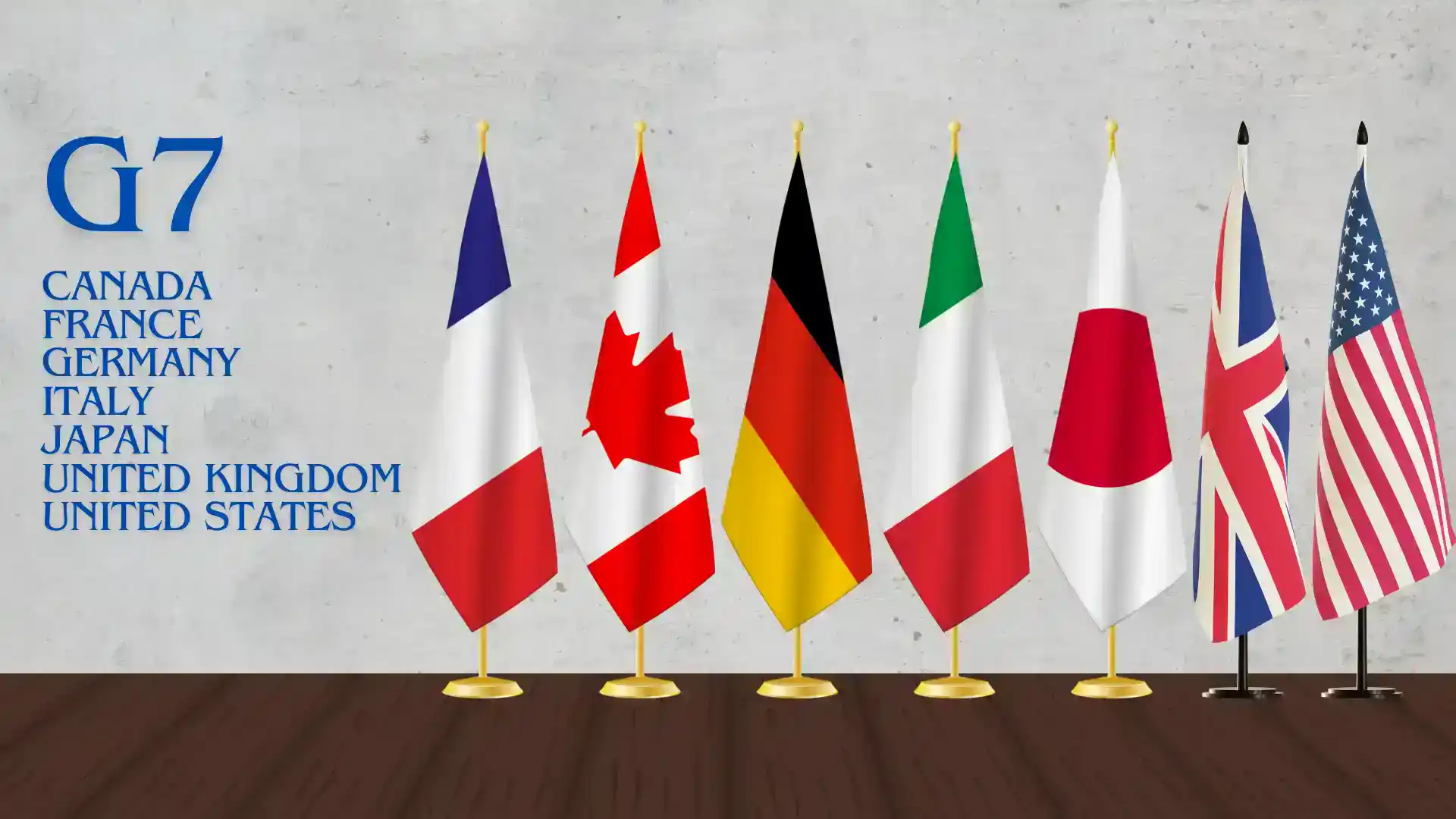
A refresher for those unfamiliar: the G7, or Group of Seven, is an assembly of the world’s leading economies. The members are:
- Canada
- France
- Germany
- Italy
- Japan
- United Kingdom
- United States
- European Union (also plays a crucial role)
The US Perspective: Setting the AI Agenda
In light of these developments, the US administration is proactively setting the stage for AI governance. This directive aims to guide federal agencies in setting clear standards, nudging AI companies towards embracing secure and safe practices. Specifically, the United States Federal Trade Commission seems primed to play a crucial role, with its sights set on meticulously reviewing AI corporations.
In Conclusion
The G7’s decision to establish a code of conduct for AI companies is more than a mere agreement. It’s a testament to the global recognition of AI’s potential and the simultaneous need for its ethical development. As AI continues to shape industries and lives, such guidelines promise a future where innovation thrives without compromising on safety and ethics.