

Table of Contents
AI-Powered Devices: In today’s fast-paced world, imagine the convenience of seamlessly completing tasks without even touching your smartphone. The integration of artificial intelligence (AI) into everyday devices is making this a reality. From wearables to handhelds, the landscape of technology is transforming, ushering in a new era of innovation and efficiency.
The Rise of AI-Powered Devices
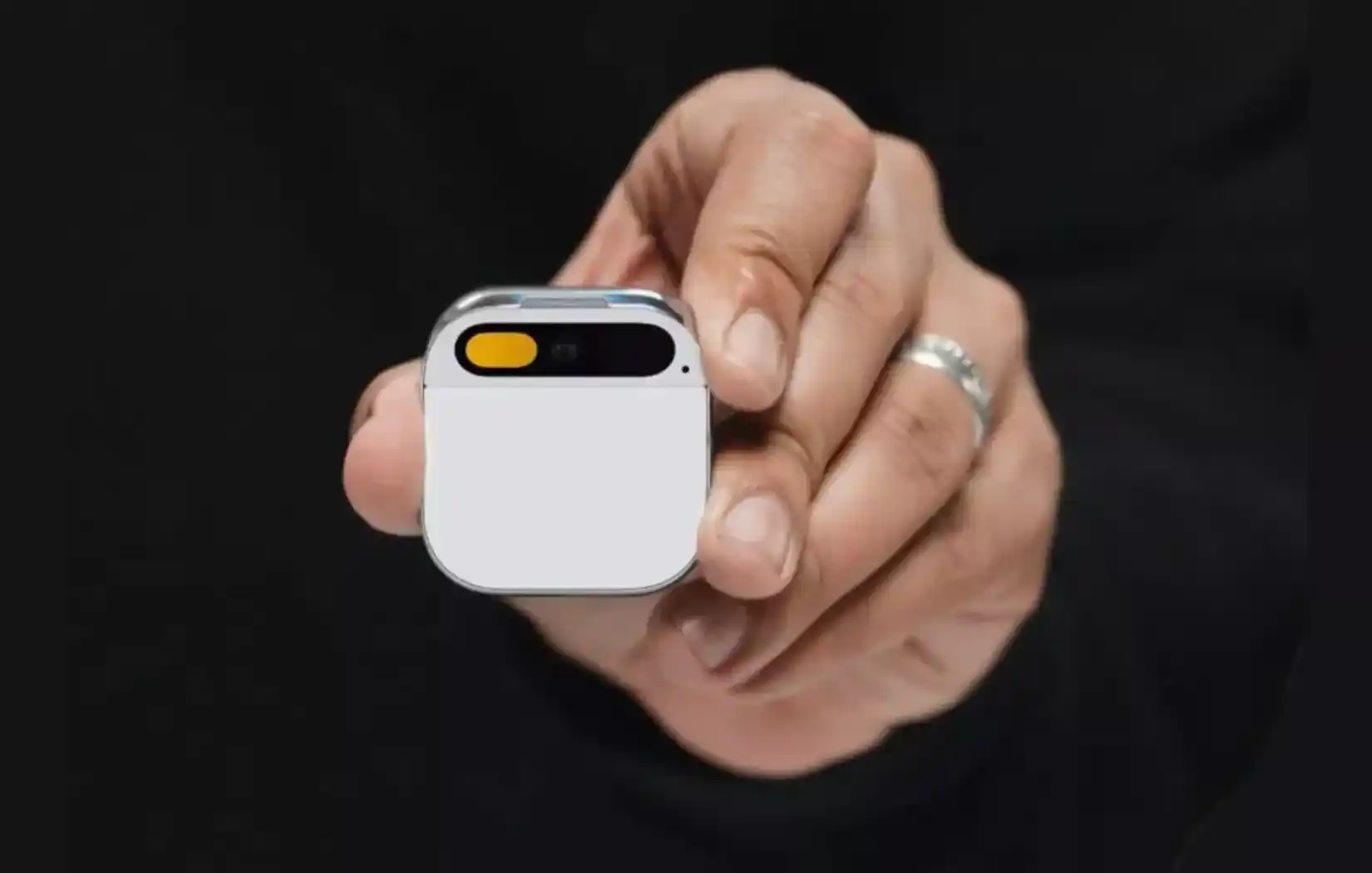
Tech companies are venturing beyond software to integrate AI into hardware, introducing a range of AI-powered consumer devices. One such pioneer is Humane, a California startup set to launch the Ai Pin – a compact wearable device designed to assist users in various tasks. Virginia-based consultant Tiffany Jana eagerly awaits its arrival, envisioning it as her assistant, streamlining her work and travel needs.
Meta, the parent company of Facebook, has also entered the fray with AI-powered smart glasses developed in collaboration with Ray-Ban. Similarly, Chinese companies TCL and Oppo have unveiled their versions of AI spectacles. These devices, equipped with AI chatbots, respond to voice commands, offering users a hands-free experience.
Redefining Productivity with AI
While AI add-ons in apps and software have become commonplace, the emergence of standalone AI devices signals a shift towards a more integrated and seamless user experience. Devices like the Pendant from Rewind and the Tab AI from Avi Schiffmann epitomize this trend. Hanging around the user’s neck, these devices passively record and summarize daily interactions, serving as productivity tools in a compact form.
Addressing Smartphone Addiction
Beyond convenience, AI-powered devices aim to address the drawbacks of excessive smartphone usage. Humane positions the Ai Pin as a solution to smartphone addiction by providing essential functions without the distractions of addictive apps. This move aligns with research suggesting that reducing screen time can positively impact user behavior and well-being.
Challenges and Future Prospects
Despite the promise of AI-powered devices, challenges remain. Past endeavors like Google Glass faced criticisms of unfashionable design and limited practicality. Moreover, concerns about AI’s reliability persist, highlighted by instances of misinformation or “hallucinations” generated by AI models. However, innovators like Rabbit are pushing boundaries with devices like the R1, offering a glimpse into a future where AI seamlessly integrates with existing platforms.
The Road Ahead
As the tech landscape evolves, discussions center on the transformative potential of AI beyond traditional devices. Visionaries like Bill Gates envision a future where AI serves as a unified interface, simplifying tasks across multiple platforms. With pioneers like OpenAI and collaborations with industry veterans like Jony Ive, the realm of AI-powered devices holds immense promise.

Embracing Innovation and Collaboration
The journey towards AI integration is not without its hurdles, but it’s fueled by a spirit of innovation and collaboration. Industry leaders like Sam Altman of OpenAI and design visionaries like Jony Ive are at the forefront, exploring novel ways to harness AI’s potential. Startups and established players alike are investing in the development of chips and processors to power the next generation of AI devices.
Challenges and Opportunities
While AI-powered devices hold immense promise, they must navigate challenges such as reliability, user acceptance, and practicality. The road ahead demands a delicate balance between technological advancement and user-centric design. By addressing these challenges head-on, innovators can unlock the full potential of AI to enhance human lives.
The Future of Technology
As we look to the future, one thing is clear: the smartphone era may be just the beginning. AI-powered devices are reshaping the way we interact with technology, offering a glimpse into a future where seamless integration and intuitive interfaces are the norm. While smartphones remain ubiquitous, their dominance may be challenged by the emergence of AI-driven innovation.
In conclusion, AI-powered devices represent a transformative force in the world of technology. From wearables to handhelds, these devices are revolutionizing how we work, communicate, and interact with the digital world. As we embrace the possibilities of AI, we embark on a journey toward a future where technology serves as a seamless extension of human capability, enriching our lives in ways we have yet to imagine.
In conclusion, AI-powered devices represent a paradigm shift in technology, offering convenience, productivity, and a glimpse into a future where interaction with technology is more intuitive than ever before. While challenges persist, the relentless pursuit of innovation ensures that the journey toward seamless integration of AI continues, paving the way for a new era of tech-enabled possibilities.